
Gut Inflammation and Hair Loss: How the Gut, Immune System and Scalp Are Connected
Learn how gut health, immune signaling, inflammation, and the scalp may be connected—and why chronic inflammation can influence the environment surrounding healthy hair follicles.
Malabsorption and Hair Loss: Are You Absorbing the Nutrients Your Hair Needs?
Learn how poor nutrient absorption may contribute to hair shedding and thinning by affecting iron, ferritin, B12, vitamin D, zinc, protein, and other nutrients your follicles need.
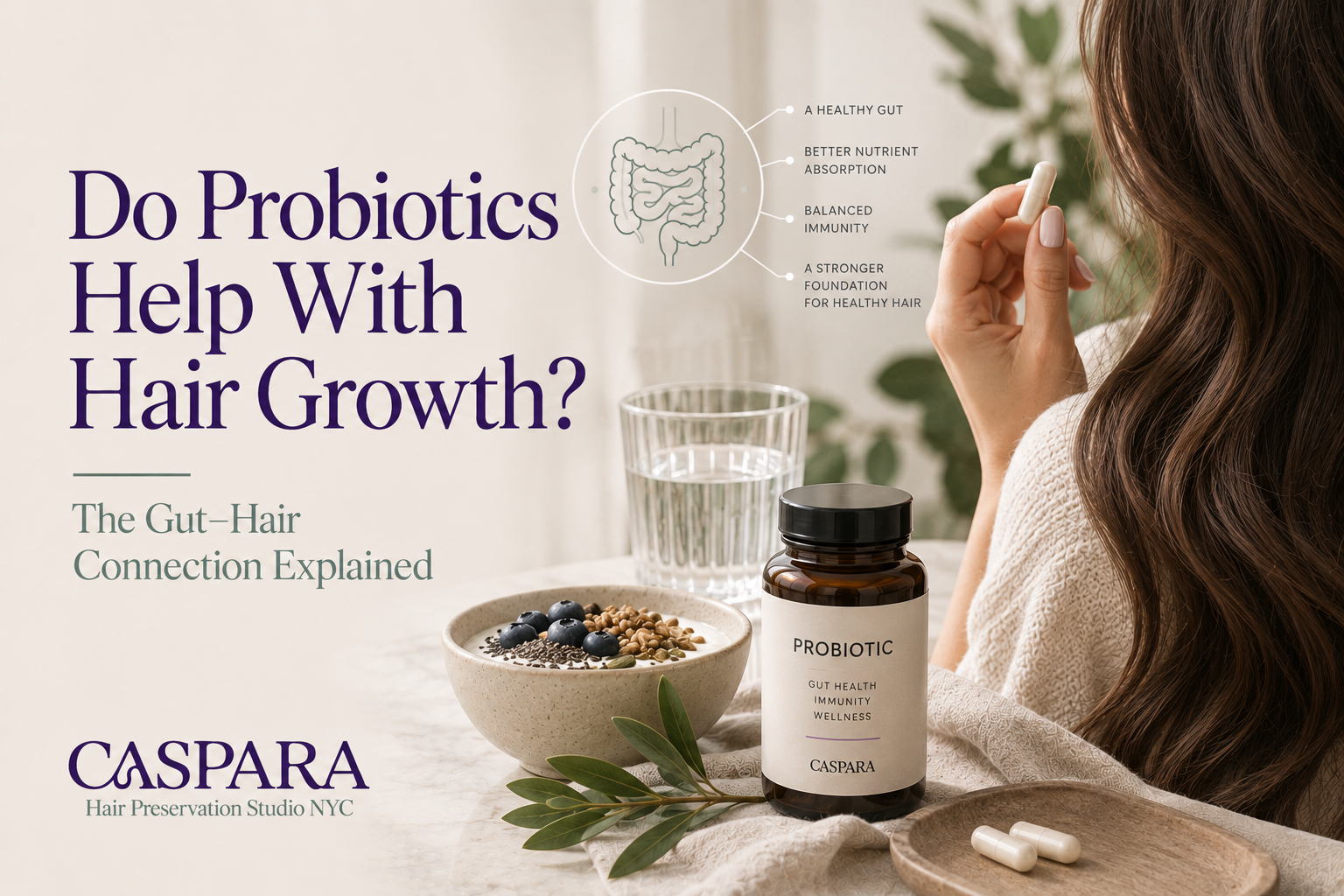
Do Probiotics Help With Hair Growth? The Gut–Hair Connection Explained
Can probiotics help support healthy hair? Learn how the gut microbiome influences nutrient absorption, immune function, and the biological environment your hair follicles depend on.
Can Poor Gut Health Cause Hair Loss? What Your Digestive Health May Be Telling You
Can poor gut health contribute to hair loss? Learn how digestive problems may affect nutrient absorption, inflammation, iron stores, and the healthy hair growth cycle.
Gut Health and Hair Growth: The Missing Link in Healthy Hair
Learn how gut health may influence hair growth through nutrient absorption, inflammation, immune function, and the gut microbiome—and why digestive health matters for healthy hair.
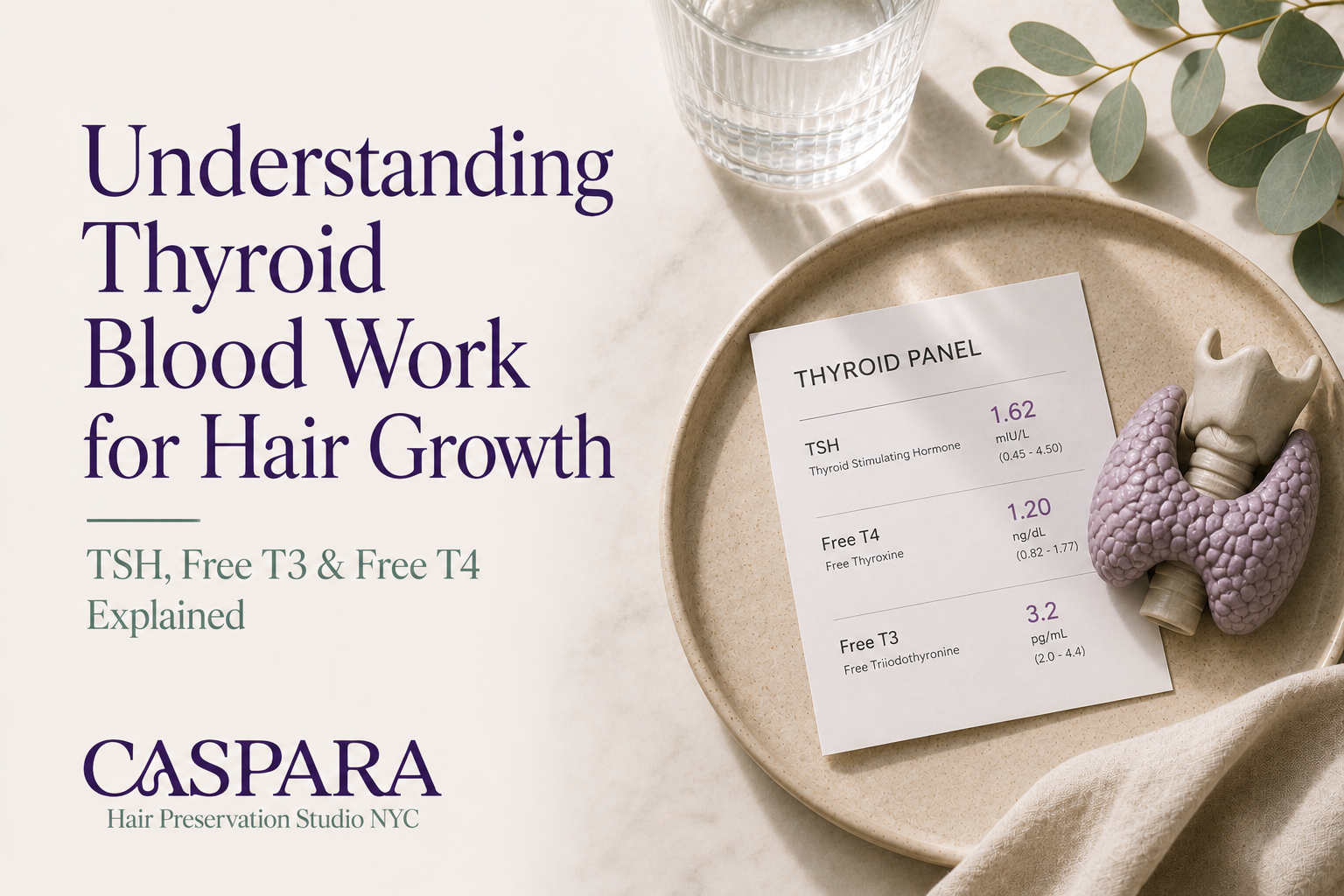
Understanding Thyroid Blood Work for Hair Growth: TSH, Free T3 & Free T4 Explained
Learn how thyroid hormones influence healthy hair growth, what TSH, Free T3 and Free T4 measure, and why thyroid blood work is often part of a hair loss evaluation.
Vitamin B12 and Hair Loss: Can Low B12 Cause Hair Thinning?
Learn how vitamin B12 supports healthy hair growth, who is at risk for deficiency, and why checking your B12 levels may be an important part of a hair loss evaluation.
Vitamin D and Hair Loss: Can Low Vitamin D Cause Hair Thinning?
Learn how vitamin D supports healthy hair follicles, why deficiency may contribute to hair thinning, and what to discuss with your doctor if you're concerned.
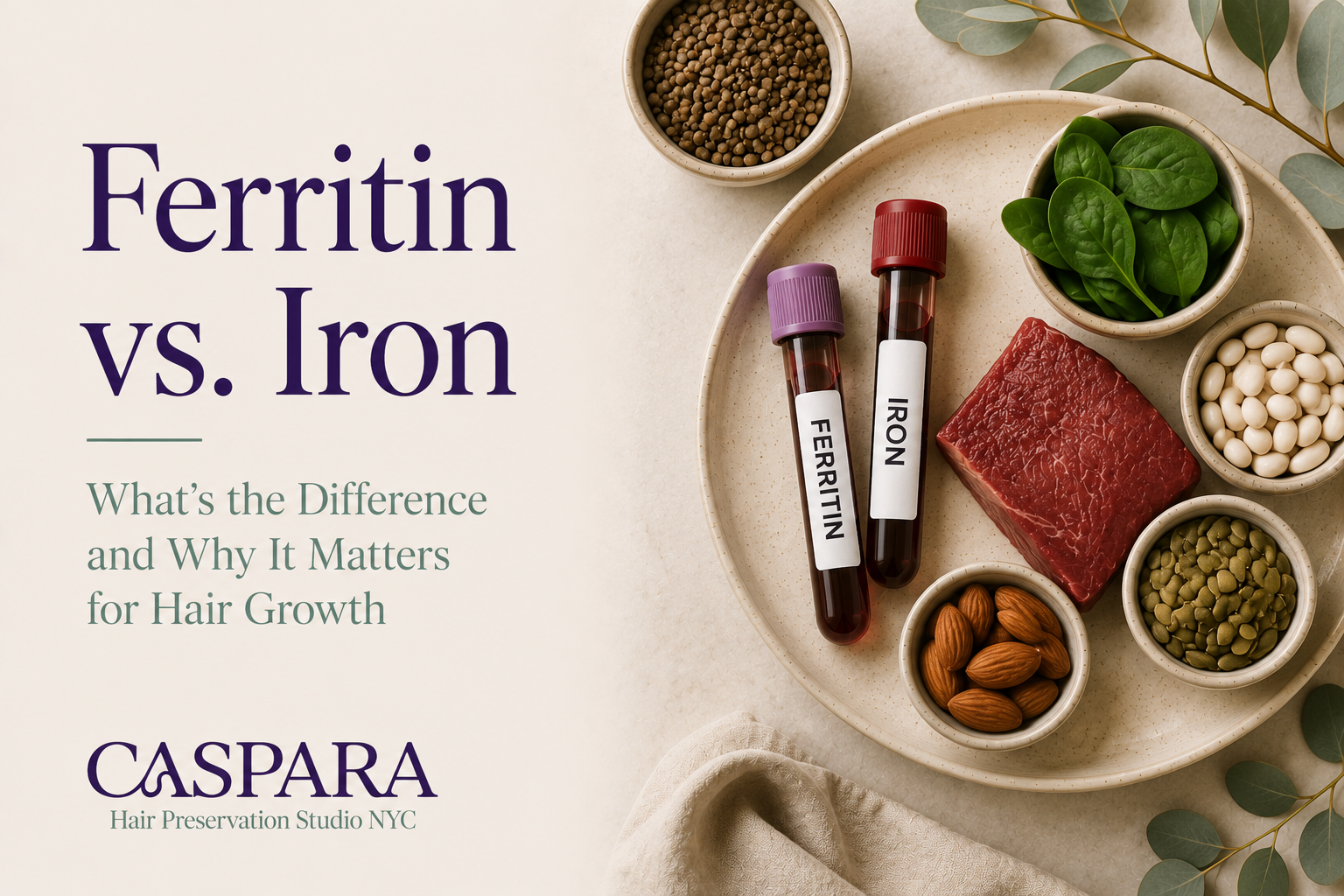
Ferritin vs. Iron: What's the Difference and Why It Matters for Hair Growth
Learn the difference between ferritin and iron, why both matter for healthy hair growth, and why many hair specialists look beyond a standard iron test.
The Blood Tests Everyone With Hair Loss Should Ask Their Doctor For
Discover the most important blood tests to discuss with your doctor if you're experiencing hair thinning or excessive shedding, including ferritin, iron, thyroid, vitamin D, B12, zinc and more.
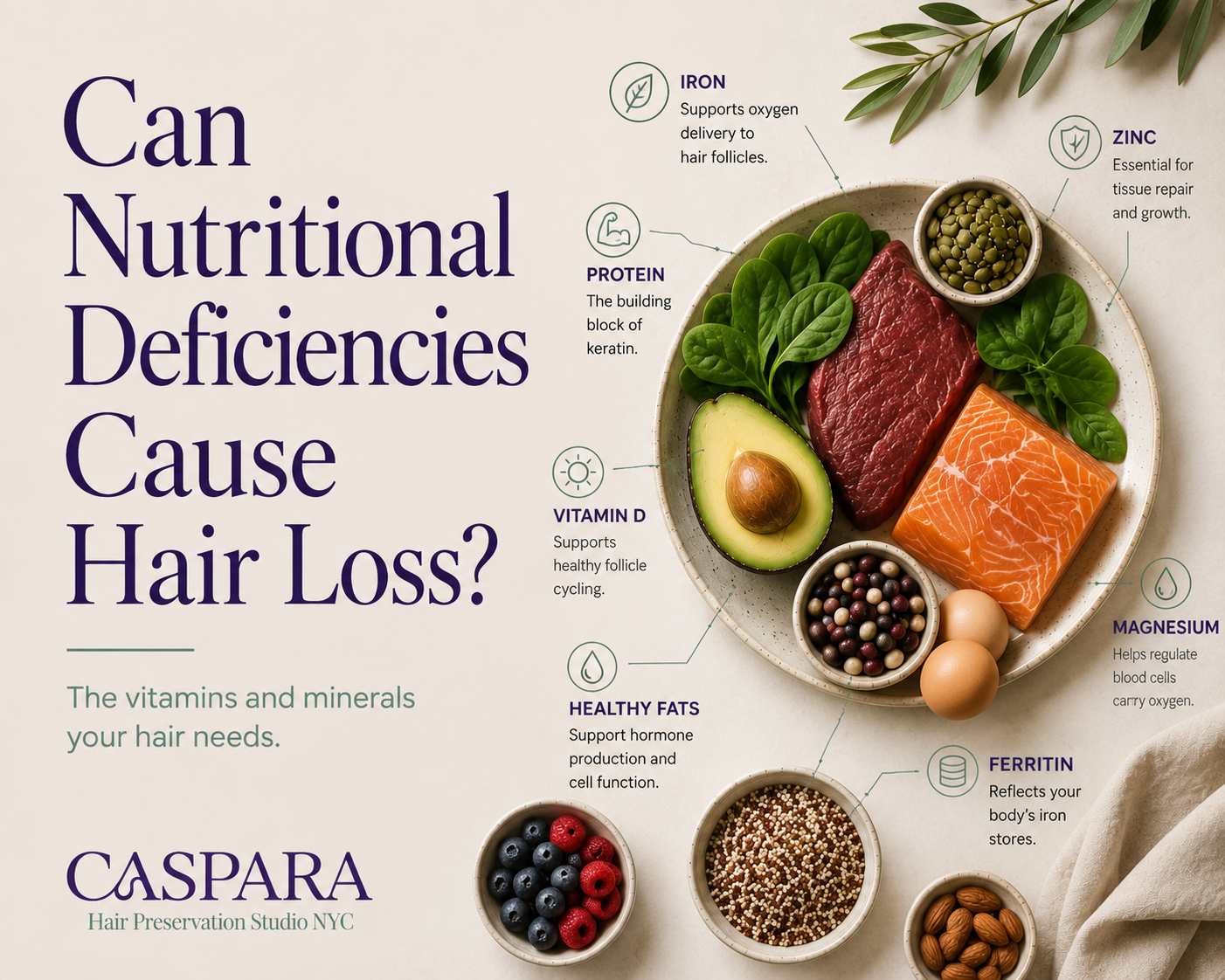
Can Nutritional Deficiencies Cause Hair Loss? The Vitamins and Minerals Your Hair Needs
Learn how iron, ferritin, protein, vitamin D, B12, zinc and other nutritional deficiencies can contribute to hair shedding, thinning, and changes in hair quality.
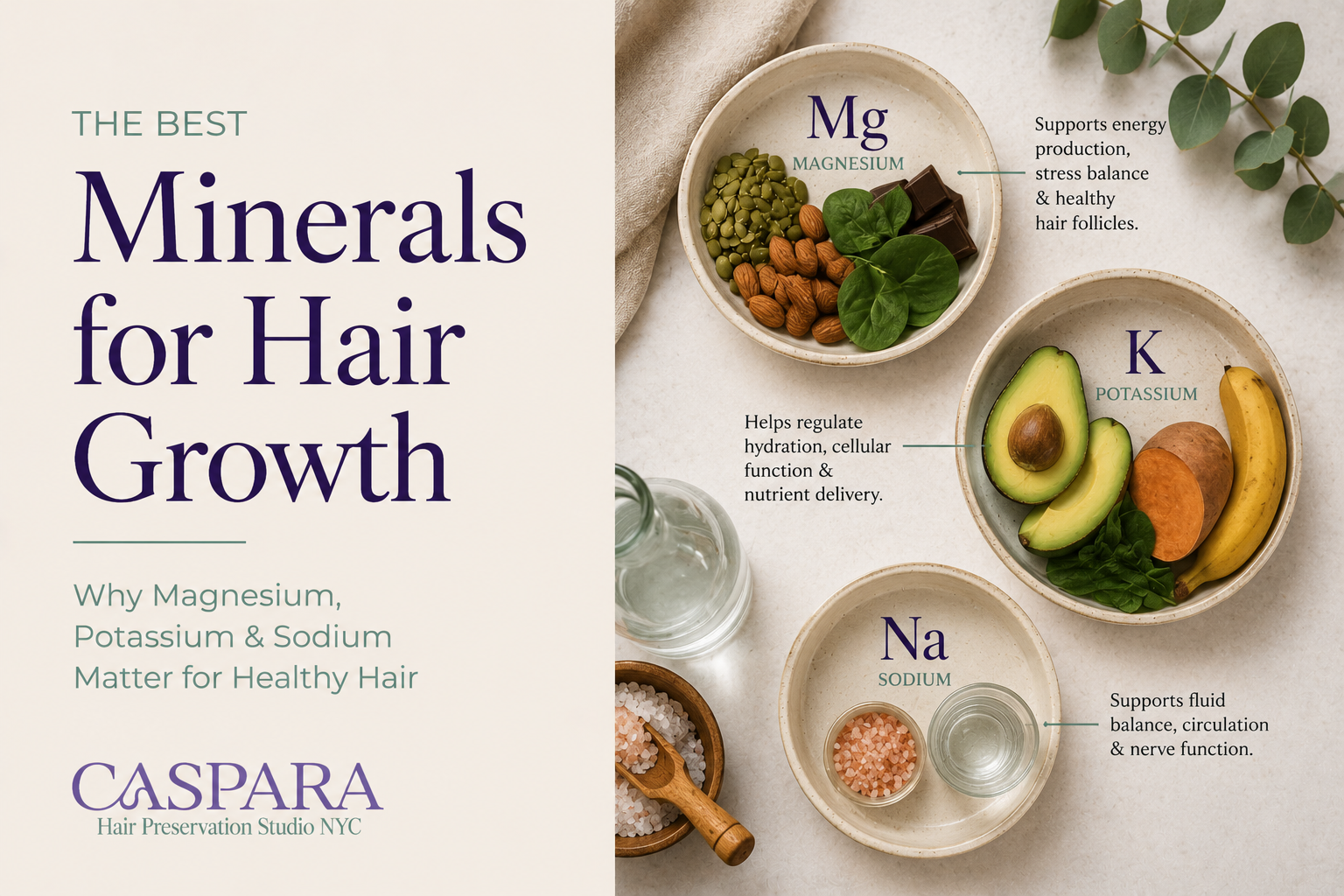
The Best Minerals for Hair Growth: Why Magnesium, Potassium & Sodium Matter
Discover why magnesium, potassium, and sodium play an important role in healthy hair growth, hormone balance, hydration, and scalp health.
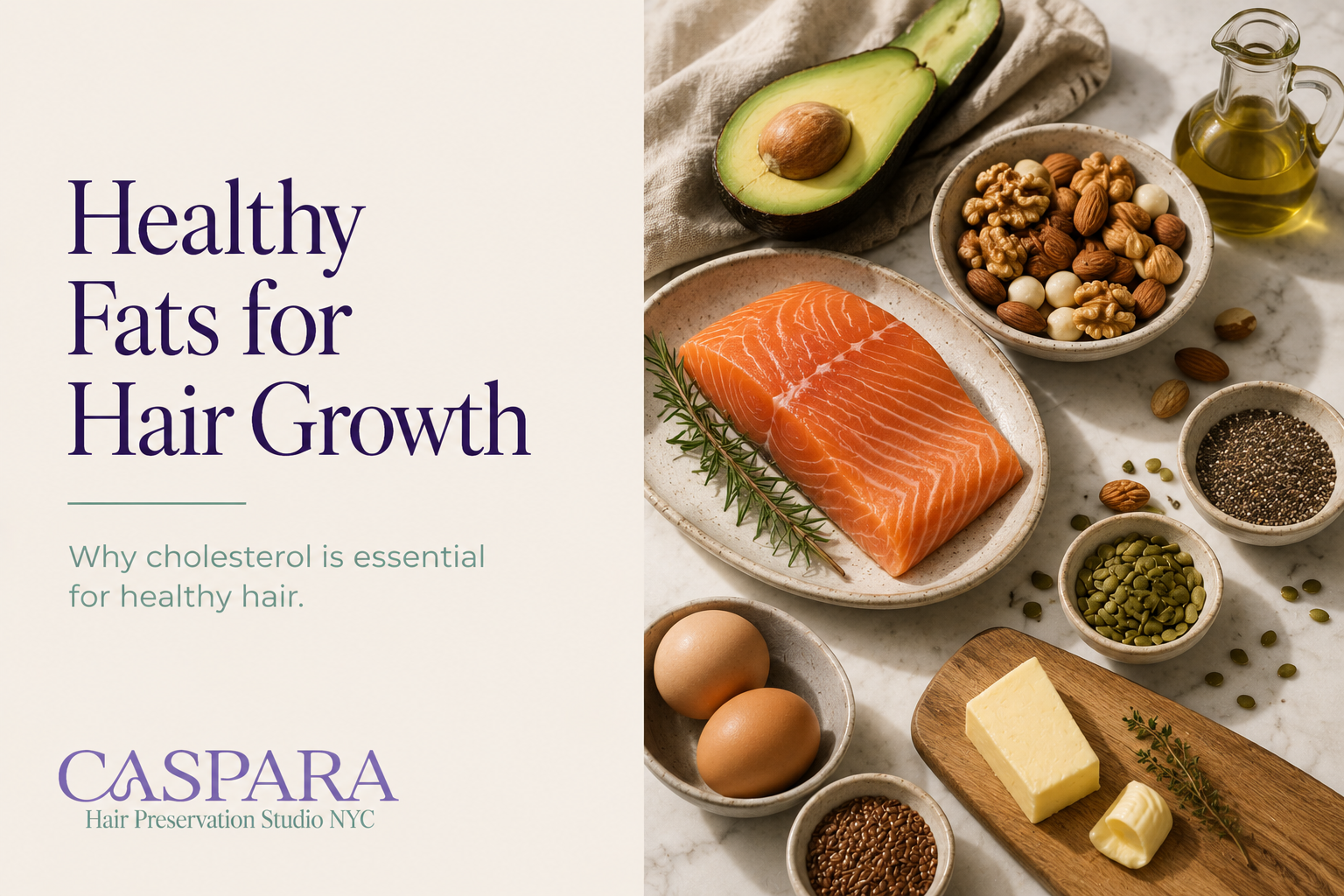
Healthy Fats for Hair Growth: Why Cholesterol Is Essential for Healthy Hair
Discover why healthy fats are essential for hormone production, scalp health, and stronger hair. Learn the best fat-rich foods to support healthy hair growth naturally.
How Hormones Affect Hair Growth (And What You Can Actually Control)
Learn how hormones influence your hair growth cycle, what changes are normal, and the lifestyle factors that can help support healthier hair naturally.
The 4 Foundations of Healthy Hair Growth: Hormones, Nutrition, Sleep & Gut Health
Discover the four pillars of healthy hair growth: hormones, nutrition, sleep and gut health. Learn how to support stronger, healthier hair naturally.
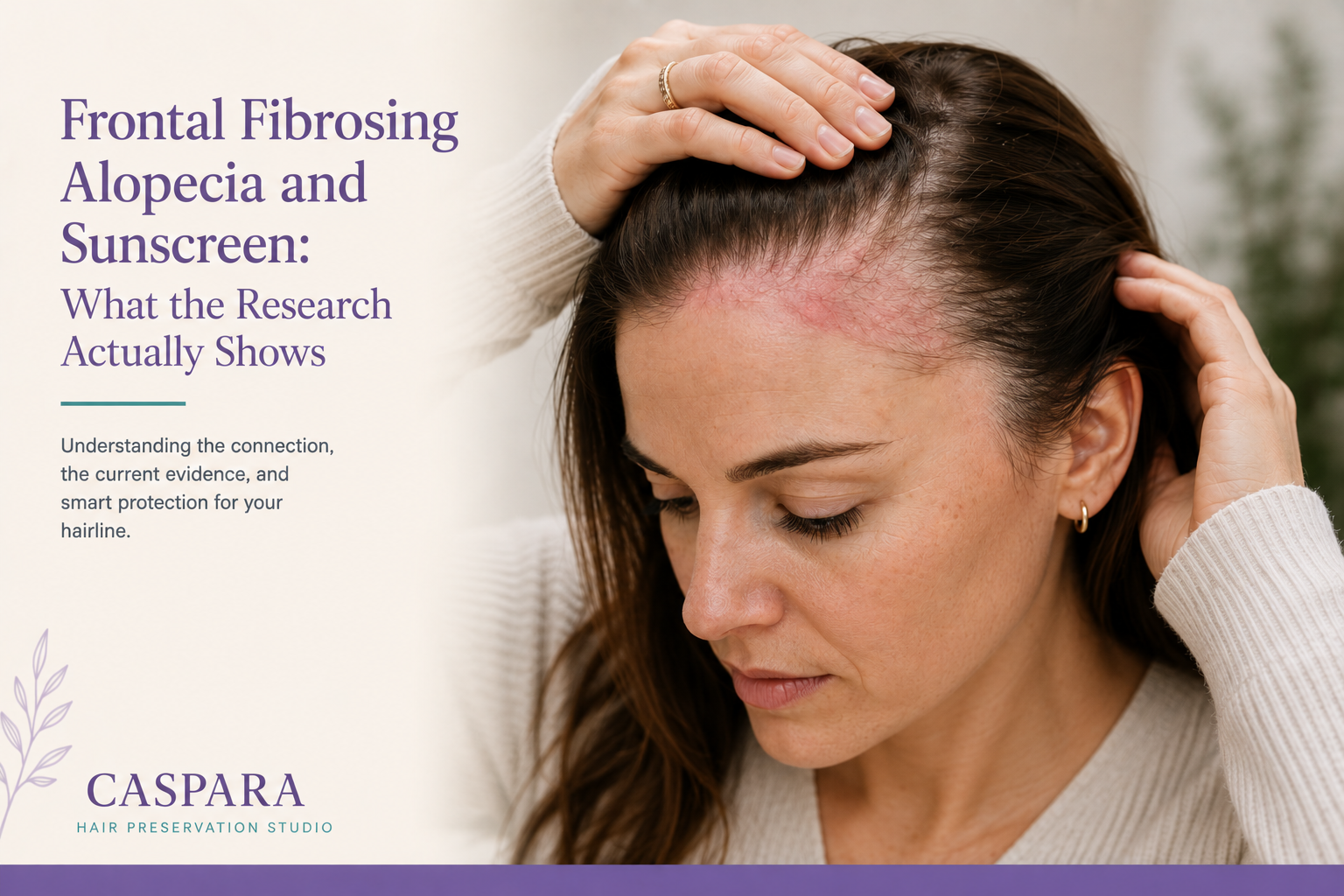
Frontal Fibrosing Alopecia and Sunscreen: What the Research Actually Shows
Frontal fibrosing alopecia (FFA) is a form of scarring hair loss that primarily affects the frontal hairline and eyebrows.
Over the past decade, researchers have explored whether certain environmental exposures, including sunscreens, may play a role in the condition.
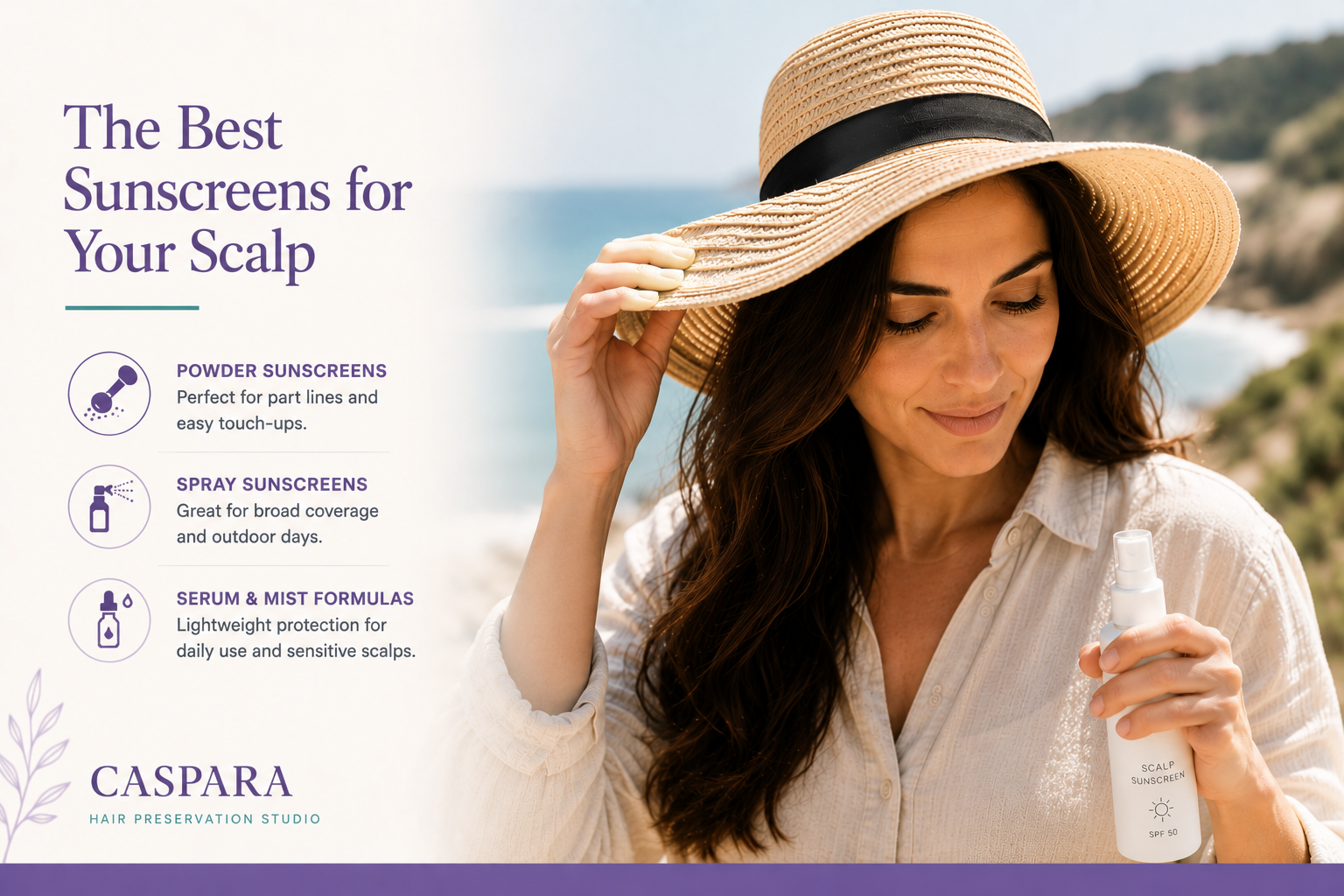
The Best Sunscreens for Your Scalp
While most people focus on protecting their face, the scalp is often one of the most overlooked areas when it comes to sun protection. This is especially important for individuals with thinning hair, widening part lines, postpartum shedding, or age-related reductions in density, where more scalp becomes exposed to direct sunlight.
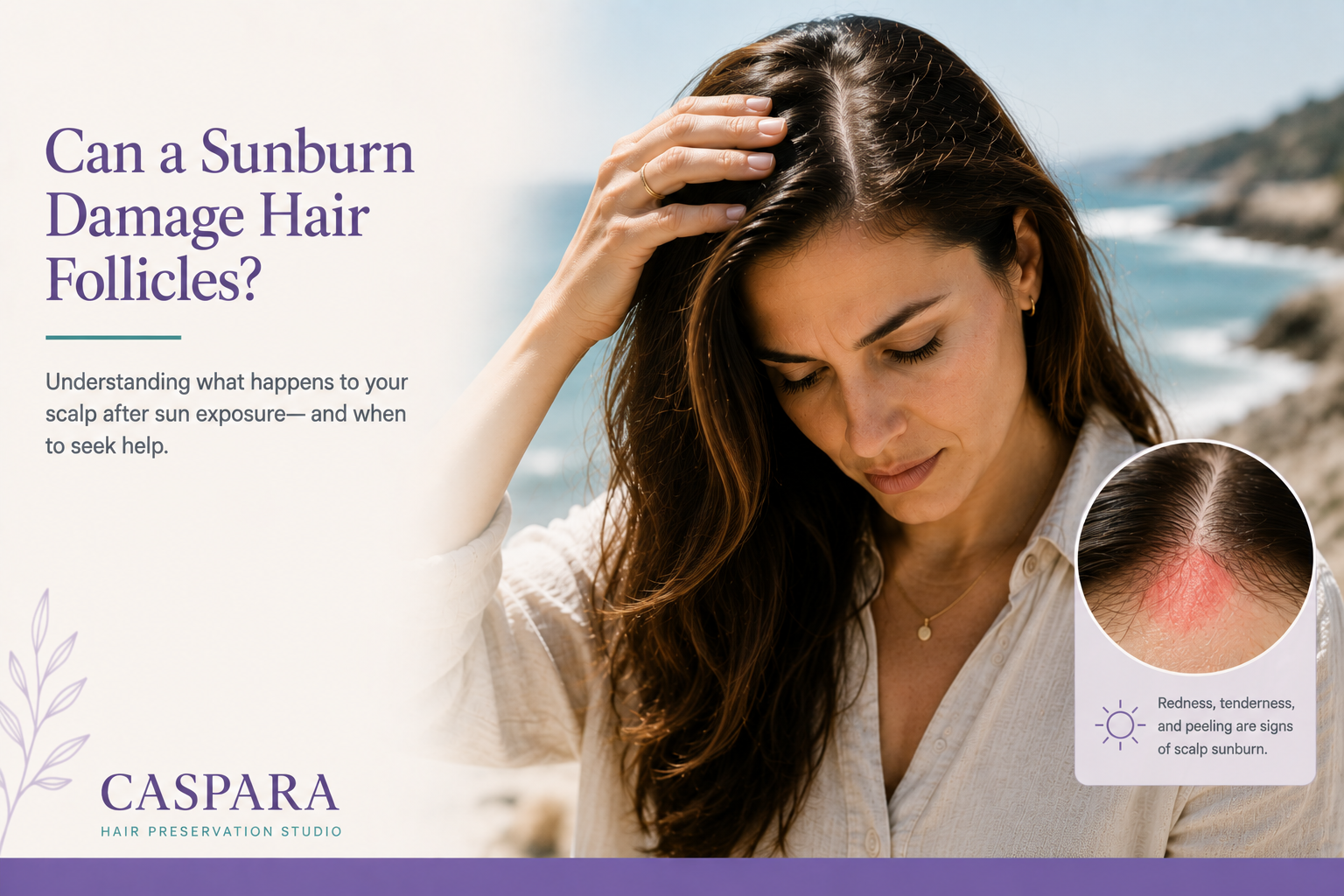
Can a Sunburn Damage Hair Follicles?
A sunburn on the scalp can be uncomfortable, but many people wonder whether it can actually damage hair follicles.
The answer depends largely on the severity and frequency of the sun exposure.
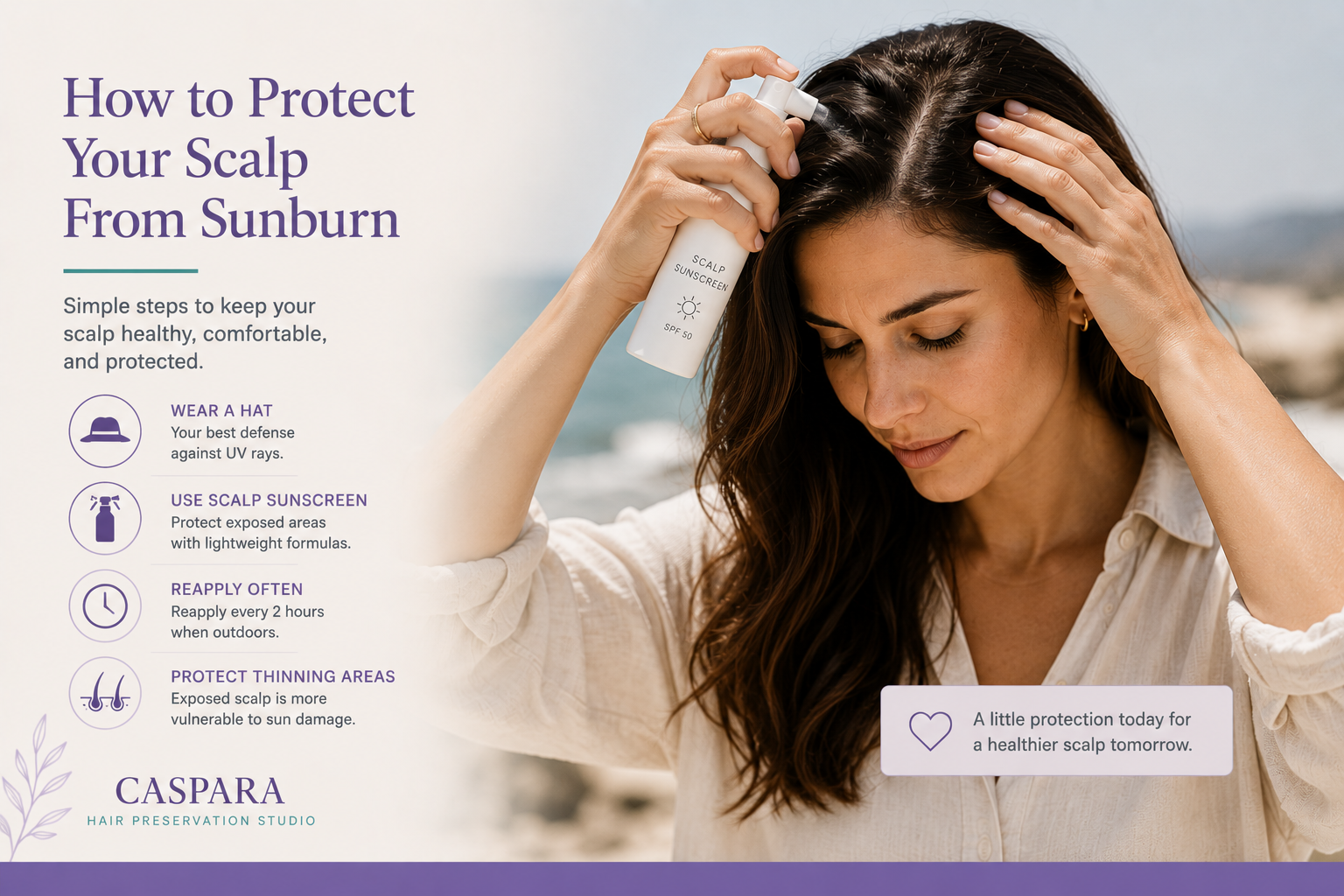
How to Protect Your Scalp From Sunburn
Many people remember to apply sunscreen to their face but forget one of the most commonly burned areas of the body: the scalp.
The scalp is particularly vulnerable because it is often exposed for hours at a time, especially along the part line, crown, and hairline.
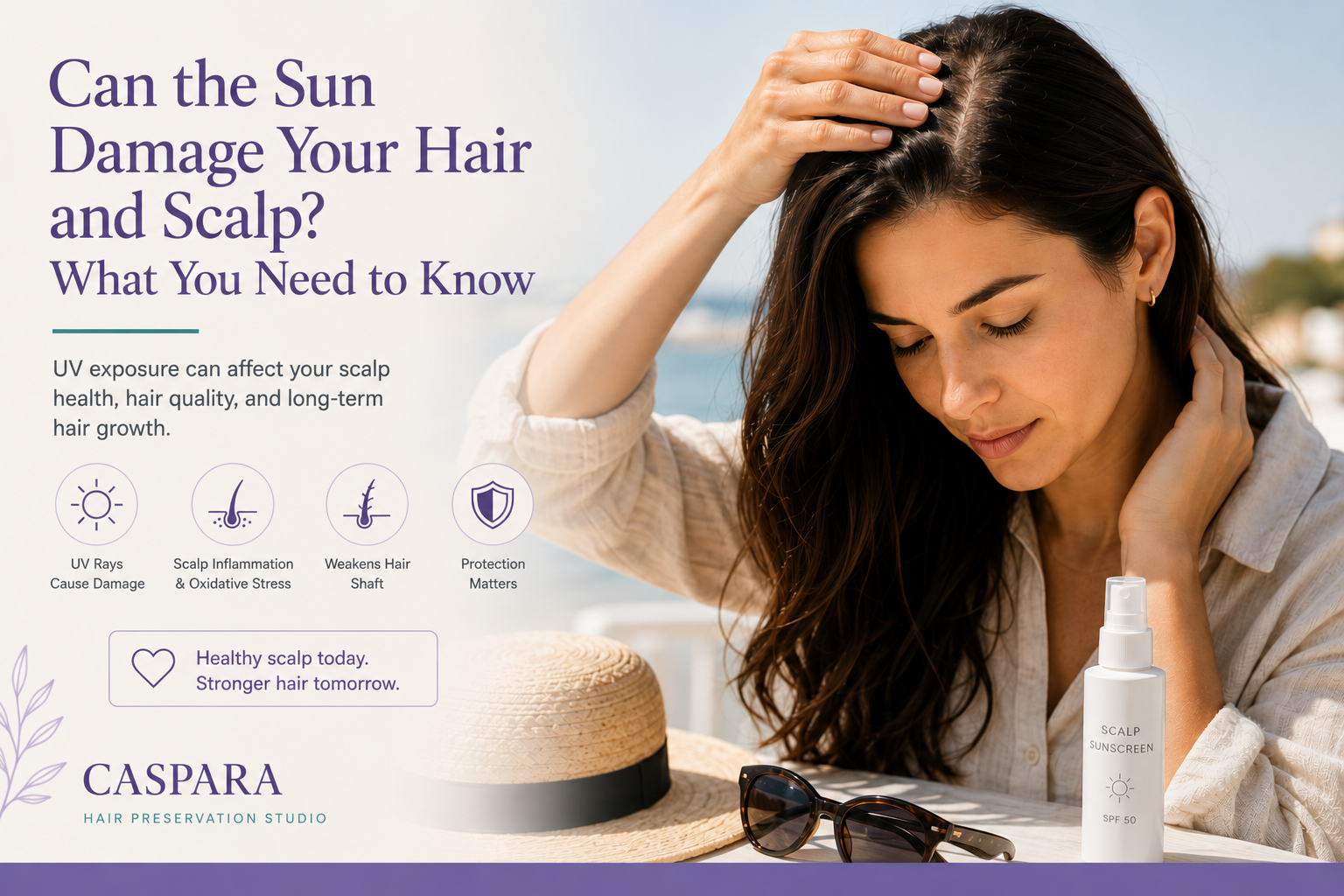
Can the Sun Damage Your Hair and Scalp? What You Need to Know
While occasional sun exposure is unlikely to cause significant damage, chronic UV exposure can contribute to scalp inflammation, oxidative stress, accelerated skin aging, and damage to the hair shaft itself.